








We all know the drill for longevity: eat your vegetables, get your steps in, don’t smoke. Sure, those are crucial. But what if a major piece of the puzzle has been hiding in plain sight, not in a gym or a grocery aisle, but in the very fabric of our neighborhoods? The science is becoming impossible to ignore: community-based health initiatives and deep social connection are powerful, non-negotiable ingredients for a long, healthy life.
Honestly, it makes sense when you think about it. Humans are wired for tribe. For millennia, our survival depended on it. Modern life, with its digital pings and physical isolation, has frayed that wiring. The result? A loneliness epidemic that’s not just sad—it’s deadly. The health risks of chronic loneliness are comparable to smoking 15 cigarettes a day. Let that sink in.
Why “Going It Alone” Is a Recipe for Burnout (and Worse)
Here’s the deal. Willpower is a finite resource. Trying to overhaul your health solo is like trying to push a boulder uphill. You might get it moving, but eventually, you’ll tire out. Community acts as a force multiplier. It provides accountability, shared knowledge, and, frankly, a reason to show up beyond just yourself.
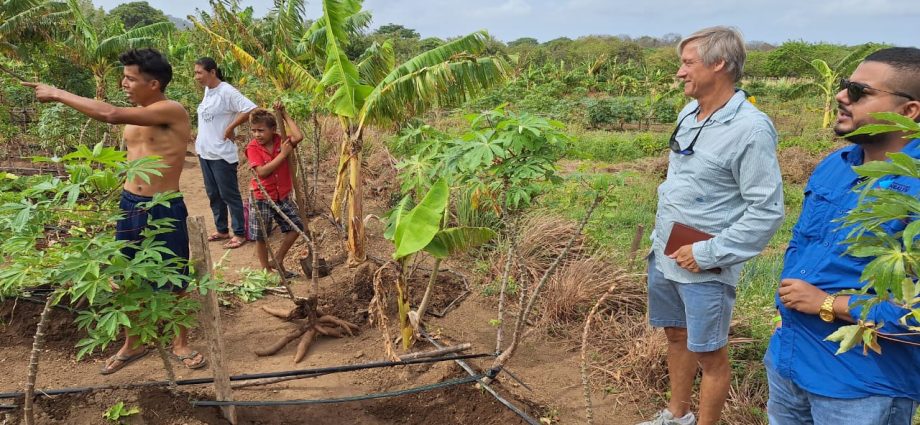
Think of it this way: a community garden isn’t just about growing tomatoes. It’s about shared sunlight, dirt under your nails alongside a neighbor, the gentle competition of whose plant grows tallest. It’s physical activity, nutrition, and stress relief, all woven together by conversation. That’s the magic of locally-led health programs—they address the whole person in the context of their real life.
The Science of Connection: More Than Just a Feeling
Okay, so it feels good to belong. But the benefits are physiological, hardwired into our biology. Strong social ties:
- Lower chronic inflammation: Loneliness can keep your body in a state of low-grade “fight or flight,” damaging cells over time.
- Boost immune function: Believe it or not, positive social interaction can make you more resilient to common bugs.
- Regulate stress hormones: A trusted friend’s laugh or a supportive touch can literally dial down cortisol levels.
- Promote healthier behaviors: We tend to mirror the habits—good and bad—of those around us. A health-conscious community pulls you upward.
In fact, the famed Blue Zones—regions of the world where people live the longest—don’t have a monopoly on superfoods. They have a monopoly on social infrastructure. Regular, informal gatherings, multigenerational living, a built-in sense of purpose within the group. That’s their secret sauce.
What Does a Community Health Initiative Actually Look Like?
It’s less about glossy brochures and more about… well, people. These initiatives are hyper-local and often start from a simple, shared need. They succeed because they’re built with the community, not just for it.
| Initiative Type | Core Activity | Longevity Benefit |
| Walking / “Slow Bike” Groups | Regular, low-pressure group outings. | Cardiovascular health + consistent, low-stress social interaction. |
| Community Kitchens / Cooking Clubs | Shared meal preparation on a budget. | Nutritional education + combating food insecurity + breaking bread together. |
| Men’s Sheds / Craft Circles | Shared workspace for hands-on projects. | Mental stimulation, skill-sharing, and combating isolation (especially in older men). |
| Digital Literacy Co-ops | Peer-to-peer tutoring on tech use. | Reduces digital isolation, connects families, empowers independent living for seniors. |
Notice a pattern? The activity itself is almost a Trojan horse. The real gift is the connection it facilitates. A neighborhood walking group for seniors, for instance, tackles physical mobility, fall prevention, and vitamin D intake. But its superpower is the gossip, the shared memories, the “we’ll see you next Tuesday” expectation that gets someone out the door on a gloomy morning.
Getting Started: You Don’t Need Permission
Maybe your town doesn’t have a formal program. That’s okay. The most powerful initiatives often start small, almost accidentally.
- Identify a micro-need. Is it loneliness among new parents? A lack of safe places for teens to hang out? A desire for fresh, local produce?
- Use what’s already there. The park, a library meeting room, someone’s garage, a place of worship.
- Frame it as an experiment. “Let’s try a weekly walking meetup for a month and see who comes.” Low pressure is key.
- Partner, don’t compete. Link up with a local clinic, church, or community center. They often have resources and reach.
The barrier to entry is laughably low. A group text chain can be the first thread in a stronger community web.
The Invisible Safety Net: How Connection Saves Lives
Beyond the daily benefits, this social fabric creates a literal safety net. The neighbor who notices your curtains haven’t been opened. The friend who drives you to a routine screening you’d otherwise skip. The community health worker who speaks your language and understands the cultural barriers you face. This network catches problems early—be it a depressive episode or a suspicious mole—long before they become crises.
It’s preventative medicine in its purest, most ancient form. And in an era of overburdened healthcare systems, fostering community-driven wellness programs isn’t just nice; it’s a pragmatic public health necessity.
We’ve spent decades medicalizing longevity, searching for the pill or the perfect diet. And look, that research is vital. But perhaps we’ve been looking in the wrong places. The most potent elixir might not be in a lab. It might be in the laughter echoing from a community garden, the shared silence of a walking path at dawn, or the simple, profound act of knowing someone’s name—and them knowing yours.
The path to a longer, healthier life isn’t just a straight line on a personal fitness tracker. It’s a sprawling, interconnected web, woven one conversation, one shared meal, one helping hand at a time. The invitation, it seems, has been there all along.