







For years, managing a chronic illness often felt like a one-size-fits-all game. You got a diagnosis, a standard treatment plan, and maybe a generic diet sheet. But for millions, that approach left a gap—a nagging feeling that the body’s unique inner workings were being ignored. Well, here’s the deal: that feeling was onto something.
A quiet revolution is happening at the intersection of food, science, and health. It’s moving us beyond blanket advice and into a world of truly personalized nutrition, powered by our understanding of the gut microbiome. This isn’t just about eating your greens; it’s about learning to speak the unique language of your own body.
Your Gut: The Second Brain (And So Much More)
Let’s ditch the idea of your gut as just a digestion tube. Honestly, it’s more like a bustling, microscopic metropolis—home to trillions of bacteria, fungi, and viruses collectively known as your microbiome. This ecosystem doesn’t just break down food. It trains your immune system, produces vital nutrients, and even talks directly to your brain via the gut-brain axis.
When this community is diverse and balanced, it supports resilience. But when it’s thrown off—by stress, antibiotics, or a poor diet—it can contribute to a state of chronic inflammation. And inflammation, as you probably know, is a common thread linking conditions like diabetes, autoimmune diseases, IBS, and even mood disorders.
The Personalized Nutrition Shift: No More Guessing
So, where does personalized nutrition come in? It’s the simple, yet profound, idea that the food that heals one person might trigger another. Two people with the same diagnosis of, say, rheumatoid arthritis, could have wildly different gut microbiomes and food sensitivities.
The old model was guesswork. The new model is detective work. It uses tools like:
- Detailed microbiome testing to see who’s living in your gut.
- Food sensitivity and inflammation marker analysis (like CRP or zonulin).
- Even continuous glucose monitors to see how your body uniquely processes sugars.
The goal isn’t a temporary diet. It’s a sustainable, tailored eating pattern that reduces your specific triggers, feeds your beneficial bugs, and dials down your inflammation.
Putting Science on Your Plate: A Practical Framework
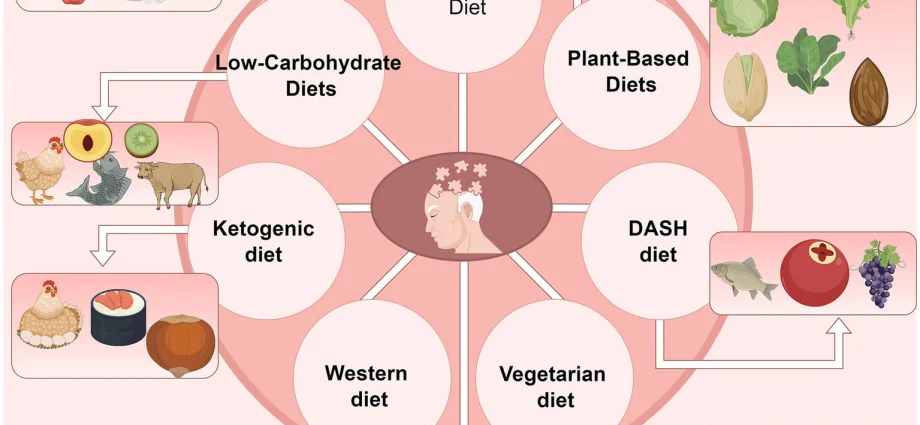
This might sound high-tech, but the application starts in your kitchen. Think of it as a layered approach. You build a foundational diet that’s generally microbiome-friendly, then you layer on the personal tweaks.
Step 1: Feed the Good Guys (The Prebiotic Foundation)
Your beneficial gut bacteria are hungry. And their favorite foods are fibrous, plant-based foods we call prebiotics. A diverse plant intake is the single best predictor of a healthy gut. Aim for a “rainbow” not just in color, but in plant types.
| Prebiotic-Rich Food | Simple Way to Add It |
| Garlic & Onions | Sauté as a base for almost any dish. |
| Jerusalem Artichokes | Roast with olive oil and herbs. |
| Green Bananas | Blend into a smoothie. |
| Chicory Root & Dandelion Greens | Try as a bitter addition to salads. |
| Flaxseeds & Chia Seeds | Stir into yogurt or oatmeal. |
Step 2: The Personalization Layer: Elimination & Reintroduction
This is the crucial, personal part. Under the guidance of a healthcare pro, you might temporarily remove common trigger foods—like gluten, dairy, or certain FODMAPs—to see if symptoms ease. The key word is temporarily. The goal is to systematically reintroduce foods to identify your personal culprits, not to create a life of fearful restriction.
One person might discover dairy is a major inflammatory trigger for their psoriasis. Another might find that white rice spikes their blood sugar unpredictably, while sweet potatoes are fine. This is your body’s data.
The Real-World Hurdles (And How to Think About Them)
Sure, this approach isn’t without its challenges. Testing can be expensive. Interpreting the data is complex. And let’s be real—cooking from scratch with twenty different plants a week feels overwhelming on a busy Wednesday.
Start small. Honestly. Don’t try to overhaul everything at once. Maybe this week, you focus on adding two new vegetables. Or you keep a simple food-mood-symptom journal to spot your own patterns. The journey is iterative. You learn, you adjust, you listen. It’s a conversation with your body, not a monologue from a textbook.
A New Relationship With Food and Health
Ultimately, managing chronic illness through personalized nutrition and gut science is about empowerment. It shifts the narrative from passive patient to active participant. You’re not just swallowing pills and following orders; you’re using food as information—a precise tool to modulate your internal environment.
The science is still evolving, of course. But the core principle is timeless, yet newly precise: your body is unique. Its needs are unique. And in the complex puzzle of chronic illness, your gut microbiome and the food that feeds it might just hold pieces we’ve been overlooking for far too long. It’s not a magic cure, but for many, it’s a path to more agency, better days, and a deeper understanding of the incredible ecosystem within.