


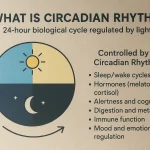







You know that feeling when you cross time zones and everything feels… off? Your hunger is weird, your energy is shot, and you might even feel a bit puffy. That’s not just travel stress. It’s a live demonstration of a powerful, hidden connection: the one between your metabolic health and your circadian rhythm.
Honestly, we’ve been thinking about metabolism all wrong. We talk about calories in, calories out—and sure, that’s part of it—but it’s like focusing on the gas pedal without considering the engine’s timing. Your circadian rhythm, that 24-hour internal clock ticking away in nearly every cell of your body, is the master timer for that engine. Get the timing wrong, and nothing runs smoothly.
Your Body Isn’t a 24/7 Diner: It’s a Scheduled Kitchen
Let’s dive in with an analogy. Imagine your body’s organs as a kitchen staff in a fine restaurant. The liver is the head chef, the pancreas is the pastry station, the gut is the prep team. A well-run kitchen has a strict schedule: prep in the morning, service at noon, cleaning and inventory at night.
Your circadian rhythm sets this schedule. In the morning, your body is primed to be sensitive to insulin—that’s the key that unlocks your cells to use glucose for energy. It’s prep time. As the day goes on, your metabolism, digestion, and hormone release follow a precise script. By night, the “kitchen” should be winding down, repairing, and cleaning up cellular debris.
Now, what happens if you walk in at 2 a.m. and demand a five-course meal? The staff is asleep! The head chef (your liver) is busy with detox and repair, not expecting to process a flood of nutrients. The result? Chaos. Glucose and fats get handled poorly, stored where they shouldn’t be, and the whole system gets stressed. That’s essentially what happens with late-night eating or inconsistent sleep.
The Hormonal Symphony (And How It Can Fall Out of Tune)
This scheduled kitchen is run by a hormonal symphony. Two key players are insulin and cortisol. In a healthy rhythm, cortisol peaks in the early morning, gently waking you up and raising blood sugar to get you moving. Insulin then efficiently ushers that sugar into cells. Melatonin rises at night, promoting sleep and, interestingly, reducing insulin release.
But modern life loves to disrupt this music. Blue light at night blunts melatonin. Chronic stress flattens cortisol’s healthy peak, leaving you tired yet wired. Irregular eating—especially snacking late—forces insulin to work the night shift. When these rhythms get fuzzy, your metabolic flexibility—your body’s ability to switch between burning carbs and fats—plummets. You become metabolically rigid. And that’s a core feature of poor metabolic health.
Practical Levers: How to Synchronize Your Clock and Metabolism
Okay, so the science is cool. But what can you actually do? The goal isn’t perfection. It’s rhythm. Here are some powerful, research-backed levers to pull.
1. Light: Your Master Zeitgeber
“Zeitgeber” is a German word for “time giver.” It’s the biggest cue for your central clock in the brain. The most powerful one? Morning sunlight. Getting bright light in your eyes (no staring at the sun, please!) within an hour of waking sets your clock for the day. It improves cortisol timing and boosts daytime alertness, which helps evening sleep. At night, dim the lights and minimize screens. Think of it as telling your kitchen when the breakfast shift starts and when it’s time to lock up.
2. Time-Restricted Eating (It’s Not Just What, But When)
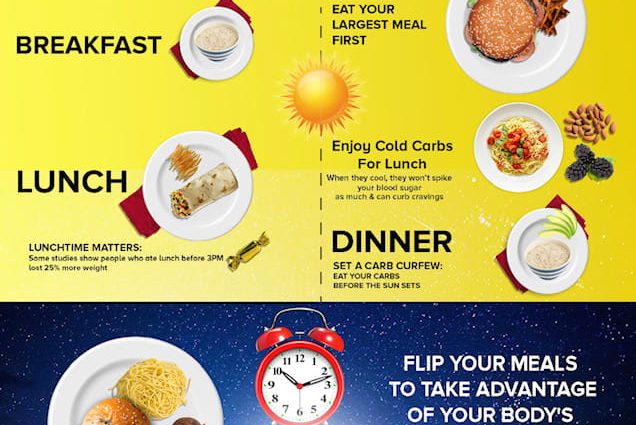
This is a big one for circadian rhythm fasting. It simply means compressing your eating window to align with your daylight hours. An 8-10 hour window (say, 9 a.m. to 7 p.m.) gives your digestive “kitchen” a long, uninterrupted break to clean and repair. Studies show this can improve insulin sensitivity, blood pressure, and even reduce appetite, even if you don’t change what you eat. The first meal of the day? Try to have it within an hour or two of waking to kickstart your metabolic clock.
3. The Timing of Exercise
Movement is a potent circadian signal. Consistency matters more than perfection here. However, afternoon or early evening exercise might offer a slight metabolic edge for some, as body temperature and hormone levels are optimal. But honestly? The best time to exercise is the time you’ll actually do it consistently. Just avoid intense workouts right before bed, as they can raise core temperature and delay sleep signals.
The Cost of Chaos: When Rhythms Break Down
Ignoring this intersection has a price. Shift work is the classic example—it’s linked to a significantly higher risk for type 2 diabetes, obesity, and heart disease. But you don’t have to work nights to feel it. Social jet lag—the weekend shift in sleep and eating times—messes with your rhythm. So does constant grazing.
The downstream effects are a cascade:
- Weight Gain: Mis-timed food is more likely to be stored as fat.
- Insulin Resistance: Your cells stop listening to the insulin key, leading to high blood sugar.
- Dyslipidemia: Poor timing messes up how your body processes cholesterol and triglycerides.
- Inflammation: Disrupted clocks in immune cells lead to a state of chronic, low-grade inflammation.
It’s a vicious cycle. Poor metabolic health disrupts sleep, and poor sleep disrupts metabolic health. You have to break the chain.
A Simple Starting Point: Your Circadian Health Checklist
| Timing Cue | Morning Signal (6am-10am) | Evening Signal (8pm-11pm) |
| Light | Get 5-10 min of outdoor light. | Dim indoor lights; use blue-light blockers. |
| Food | Eat a protein-rich breakfast. | Finish eating 2-3 hours before bed. |
| Movement | Take a short walk or stretch. | Gentle movement like walking or yoga. |
| Mindset | Set an intention for the day. | Practice a wind-down ritual (read, meditate). |
Don’t try to implement all of this at once. Pick one morning and one evening habit. Maybe it’s morning light and stopping food after 8 p.m. Nail that for a week. See how you feel. The goal is rhythm, not rigidity.
Listening to the Rhythm
In the end, this science is a call to listen. It’s a return to an older wisdom—that we are deeply tied to the cycles of the planet—but now backed by stunning cellular biology. Your mitochondria, your fat cells, your liver… they all have their own clocks, and they’re all waiting for the right cue.
Optimizing your metabolic health isn’t just about cutting carbs or sweating more. It’s about circadian rhythm alignment. It’s about giving your body’s innate intelligence a clear schedule to work with. When you do, the payoff is more than just better numbers on a lab report. It’s sustained energy, better sleep, and a system that hums along with the quiet, efficient rhythm it was designed for. The clock is ticking, but for once, that’s a good thing.