









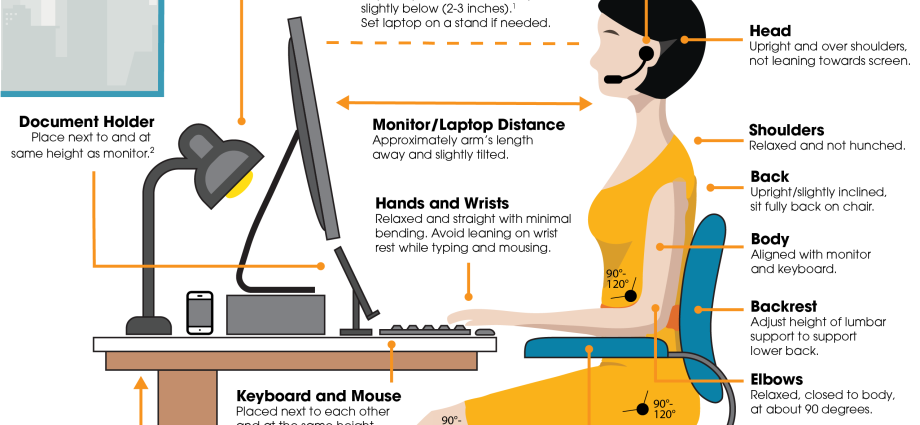
Let’s be real for a second. Working from home sounds like a dream—until your back starts screaming, your neck feels like a steel rod, and you realize you haven’t spoken to another human being in six hours. Remote work is here to stay, but so are the aches, the loneliness, and the weird hunch you’ve developed over your laptop. Honestly, it’s a mess. But it’s a fixable mess. Here’s how to optimize your health without quitting your job or buying a $5,000 standing desk.
The Posture Problem: You’re Not a Human Pretzel
First up—posture. I know, I know, you’ve heard it a thousand times. “Sit up straight!” But here’s the thing: your body wasn’t designed to sit for eight hours. It was designed to hunt, gather, and occasionally nap in the sun. So when you’re slumped over a keyboard, your spine is basically crying for help.
Why Your Chair Is Your Worst Enemy (and Best Friend)
Your chair matters. A lot. But you don’t need a fancy ergonomic throne to make a difference. What you need is alignment. Your ears should stack over your shoulders, your shoulders over your hips, and your hips over your knees. If you’re sitting on a kitchen chair, throw a cushion behind your lower back. If your feet don’t touch the ground, grab a box or a stack of books. Seriously—it works.
Now, here’s a weird trick: set a timer for every 45 minutes. When it goes off, stand up. Shake your arms out. Roll your shoulders back. Do a tiny stretch. It sounds ridiculous, but it breaks the “rigor mortis” cycle. Your muscles will thank you.
Screen Height: The Silent Killer
Your screen should be at eye level. Not below, not above. If you’re looking down at your laptop, you’re creating “tech neck”—that forward head posture that makes you look like a turtle. Use a laptop stand or stack some books under it. Your neck will feel lighter in days. I’m not kidding.
Quick checklist for better posture:
- Feet flat on the floor (or a footrest).
- Knees at a 90-degree angle.
- Monitor arm’s length away, top of screen at eye level.
- Elbows bent at 90 degrees, wrists straight.
- Back supported—use a lumbar roll if needed.
Ergonomics: More Than Just a Fancy Word
Ergonomics sounds like something a corporate trainer would drone on about. But really, it’s just about fitting your workspace to your body—not the other way around. And trust me, your body is not designed to fit into a cheap IKEA desk.
Keyboard and Mouse Placement
Your keyboard should be flat or slightly tilted away from you. Your mouse should sit right next to it—no reaching. If you’re stretching your arm out to grab the mouse, you’re straining your shoulder. That’s a recipe for rotator cuff issues down the line. Keep it close, keep it loose.
Also, consider a vertical mouse. It feels weird at first—like you’re holding a joystick—but it keeps your wrist in a neutral position. Carpal tunnel is no joke, folks. Prevention is cheaper than surgery.
Lighting and Glare
You’re squinting. Stop squinting. Bad lighting causes eye strain, headaches, and that lovely “I’ve been staring at a screen for 10 hours” feeling. Position your monitor perpendicular to windows to avoid glare. Use a desk lamp with warm light—not harsh overheads. And please, for the love of your retinas, use the 20-20-20 rule: every 20 minutes, look at something 20 feet away for 20 seconds.
| Ergonomic Issue | Quick Fix | Long-Term Solution |
|---|---|---|
| Screen too low | Stack books under laptop | Adjustable monitor arm |
| Wrist pain | Use gel wrist rest | Ergonomic keyboard |
| Eye strain | Blue light glasses | Adjustable lighting |
| Back pain | Lumbar cushion | Ergonomic chair |
The Isolation Factor: Your Brain Needs People (Even If You Don’t Think So)
Okay, let’s talk about the elephant in the home office. Isolation. It creeps up on you. One day you’re loving the quiet, the next you’re talking to your houseplant. Remote work can be lonely—like, genuinely lonely. And that loneliness doesn’t just hurt your mood; it messes with your health. Studies show chronic isolation increases inflammation, raises cortisol, and even shortens lifespan. Yikes.
Micro-Social Interactions Matter
You don’t need a huge social circle to combat isolation. You need micro-moments. A quick chat with a barista. A five-minute video call with a coworker where you don’t talk about work. A walk around the block where you wave at a neighbor. These tiny connections add up. They remind you that you’re part of something bigger than your inbox.
Try this: schedule a “virtual coffee break” with a colleague once a week. No agenda. No work talk. Just two humans being human. It sounds forced, but after a few times, it feels natural. I promise.
Movement as a Social Bridge
Join a local fitness class. Or a walking group. Or even a yoga studio. The point isn’t just exercise—it’s shared experience. You’ll sweat, you’ll laugh, you’ll feel less alone. And your body will thank you for moving. Double win.
Movement Breaks: Your Body Is Not a Chair
Look, sitting is the new smoking. I hate that phrase, but it’s true. Your glutes literally shut off when you sit for too long. Your hip flexors tighten. Your circulation slows down. You become a human puddle. The antidote? Movement breaks. But not the kind you dread.
The 5-Minute Reset
Set a timer for every hour. When it goes off, do this:
- Stand up and stretch your arms overhead.
- Do 10 shoulder rolls backward.
- Gently twist your torso left and right.
- Walk to the kitchen and get water.
- Do 10 air squats (yes, really).
That’s it. Five minutes. Your body will reset, your brain will refocus, and you’ll avoid that afternoon slump. It’s almost magical.
Mental Health Hacks for the Remote Worker
Let’s not forget the mind. You can have perfect posture and a standing desk, but if you’re anxious and burnt out, none of it matters. Remote work blurs the line between “work” and “life”. You check emails at 10 PM. You skip lunch. You feel guilty for taking a break. That’s a fast track to burnout.
Create a Shutdown Ritual
When your workday ends—end it. Close your laptop. Turn off notifications. Do something that signals “I’m done”. Maybe it’s lighting a candle. Maybe it’s changing into sweatpants. Maybe it’s a 10-minute meditation. Whatever it is, be consistent. Your brain needs that boundary.
And hey, if you’re feeling extra isolated, consider a coworking space once a week. It’s a nice middle ground—you get the structure of an office without the commute. Plus, free coffee. Win-win.
Putting It All Together: A Simple Daily Routine
You don’t need to overhaul your life overnight. Start small. Pick one thing from each category—posture, ergonomics, isolation, movement—and try it for a week. Then add another. Before you know it, you’ll feel better. Not perfect, but better. And that’s the goal.
Here’s a sample day:
- Morning: Set up your workspace with proper alignment (books under laptop, lumbar support).
- Mid-morning: 5-minute movement break + quick chat with a coworker.
- Lunch: Walk outside for 15 minutes. No phone.
- Afternoon: Use the 20-20-20 rule for eyes. Adjust lighting if needed.
- End of day: Shutdown ritual—close laptop, stretch, breathe.
That’s it. Simple. Sustainable. Human.
Your health isn’t something you optimize once and forget. It’s a constant tweak—a little like tuning a guitar. Some days it’s in tune, some days it’s not. But you keep playing. And that’s what matters.