








You’re in a hospital bed. The lights are dim. Machines beep softly. But here’s the thing — sepsis doesn’t always announce itself with a bang. It creeps in. A subtle shift in temperature. A slightly faster heartbeat. By the time the alarm sounds, you might already be in trouble. That’s where wearable biosensors come in. Honestly, they’re not just gadgets. They’re like having a tiny, tireless guardian angel stuck to your skin.
Let’s dive into why this matters. Sepsis kills roughly 11 million people globally each year. That’s more than prostate cancer, breast cancer, and HIV combined. Early detection? It’s the holy grail. And wearables? They might just be the key.
What Exactly Are Wearable Biosensors?
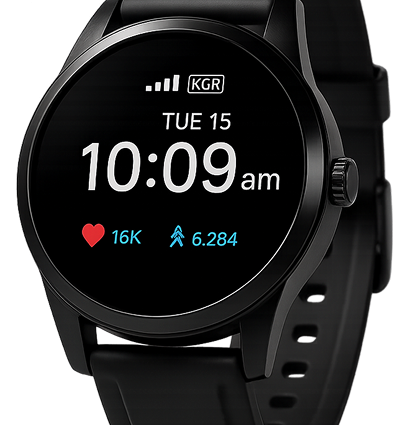
Think of a smartwatch, but way more sensitive. These aren’t just step-counters. Wearable biosensors are flexible patches, smart textiles, or even temporary tattoos that monitor vital signs in real time. They track things like heart rate variability, skin temperature, blood oxygen levels, and even biomarkers in sweat. The data streams wirelessly to a clinician’s dashboard. No wires. No bulky equipment. Just continuous, quiet vigilance.
Here’s the deal — sepsis is a moving target. It’s the body’s extreme response to an infection. Early signs? They’re often vague. A little confusion. A slight fever. Maybe some chills. Traditional monitoring catches these things… eventually. But by then, the window for intervention might be closing. Wearable biosensors close that gap. They catch the whispers before they become screams.
The Key Players: What They Track
Not all sensors are created equal. Some are better for certain settings — ICU vs. home recovery, for example. But the core metrics are surprisingly consistent:
- Heart rate variability (HRV) — A drop in HRV is often an early sign of systemic inflammation. It’s like a canary in a coal mine for sepsis.
- Respiratory rate — Sepsis can mess with your breathing before you even feel short of breath. Wearables catch that shift.
- Skin temperature — Not just fever, but subtle gradients. A patch can detect a 0.5°C change that a forehead touch would miss.
- Lactate levels — Some advanced biosensors measure lactate in sweat. High lactate? That’s a red flag for tissue hypoxia.
- Blood oxygen (SpO2) — Dropping oxygen levels can signal impending septic shock.
It’s not just one metric, though. The magic happens when you combine them. Algorithms look for patterns — a fever spike plus a drop in blood pressure plus a weird heart rhythm. That’s the sepsis signature. And wearables can spot it hours before traditional methods.
Why Traditional Monitoring Falls Short
Let’s be real for a second. Hospitals are chaotic. Nurses are stretched thin. Vital signs are often taken every four hours — sometimes less frequently on a busy night. That’s a huge gap. Sepsis can progress in a matter of hours. A patient might look fine at 10 PM, but by 2 AM, they’re crashing. Wearable biosensors fill that silent void. They monitor constantly, even when no one’s in the room.
And there’s another issue — patient comfort. Nobody likes being tethered to a machine. Wearables are unobtrusive. A patch on the chest. A ring on the finger. A band around the arm. Patients can move, sleep, even shower (with waterproof models). That’s a game-changer for early warning systems in general wards.
Real-World Examples: Where It’s Working
Okay, so it’s not just theory. A 2023 study at Johns Hopkins used a wearable patch on post-surgical patients. The system flagged sepsis risk an average of 6 hours earlier than standard monitoring. Six hours. That’s enough time to start antibiotics, fluids, and maybe avoid the ICU entirely.
Another pilot program in rural India used a low-cost wristband for mothers after childbirth. Sepsis is a leading cause of maternal death there. The wristband tracked temperature and heart rate. It sent alerts to community health workers via SMS. The result? Sepsis-related deaths dropped by nearly 40% in the test group. That’s not just a statistic — that’s lives saved.
Challenges and Hiccups (Because Nothing’s Perfect)
Look, I’d love to say these things are flawless. They’re not. There are real hurdles. False alarms, for one. A sensor might pick up a random spike from movement or sweat. That can overwhelm clinicians with alerts. And then there’s the data overload — hospitals aren’t always ready to process continuous streams of information.
Battery life is another pain point. Some patches last only 48 hours. For a long-term monitoring scenario, that’s annoying. Plus, cost. Advanced biosensors aren’t cheap. But as the tech scales, prices are dropping. It’s like how smartphones got cheaper and better over time. Same trajectory here.
And let’s not forget patient privacy. Continuous monitoring means continuous data. Who owns it? How secure is it? These are questions that regulators and hospitals are still wrestling with. That said, the potential benefits are too big to ignore.
The Tech Behind the Patch: A Quick Peek
If you’re curious about the guts of these things — well, it’s pretty wild. Many use flexible electronics printed on polymer substrates. Some incorporate microneedles that painlessly sample interstitial fluid. Others use optical sensors that shine light through the skin to measure blood flow. A few even analyze sweat for biomarkers like C-reactive protein (CRP), a key inflammation marker.
| Sensor Type | What It Measures | Form Factor |
|---|---|---|
| Optical (PPG) | Heart rate, SpO2 | Watch, ring |
| Electrochemical | Lactate, glucose, CRP | Patch, tattoo |
| Temperature (thermistor) | Skin temp, fever patterns | Patch, band |
| Bioimpedance | Hydration, tissue edema | Patch, chest strap |
That’s a lot of tech packed into something smaller than a credit card. And it’s getting smaller every year.
What This Means for You (and Your Loved Ones)
Sure, this is a hospital-focused topic. But the ripple effects are personal. Imagine your elderly parent recovering from surgery at home. A wearable patch could alert you — or their doctor — if something’s off. No waiting for a fever to spike. No guessing. Just data-driven peace of mind.
Or think about emergency rooms. Triage is notoriously slow. A wearable could prioritize patients based on real-time sepsis risk scores. The sickest get seen first. That’s not just efficient — it’s ethical.
There’s also the potential for outpatient monitoring. People with chronic conditions like diabetes or kidney disease are at higher risk for sepsis. A wearable could be their early warning system at home, reducing hospital readmissions. That’s a win for patients and for healthcare systems drowning in costs.
The Future: Smarter, Smaller, Cheaper
We’re already seeing AI integration. Machine learning models trained on thousands of sepsis cases can now predict deterioration with 85-90% accuracy using wearable data. That’s better than most human assessments. And as the sensors improve, they’ll measure even more — maybe even specific cytokines or bacterial DNA in sweat.
Honestly, the next five years will be huge. We’ll see wearables become standard in post-op care, maybe even in ambulances. Some startups are working on disposable patches that cost under $10. That could democratize sepsis detection globally — in rural clinics, refugee camps, even on battlefields.
But here’s the thing — technology alone isn’t enough. It needs to be paired with smart protocols. Hospitals need to train staff to trust the alerts. Patients need to understand the data. And regulators need to ensure accuracy without stifling innovation. It’s a balancing act.
A Final Thought (Not a Conclusion, Really)
Sepsis is a monster. It’s fast, it’s silent, and it doesn’t discriminate. But wearable biosensors are giving us a new weapon — one that’s always on, always watching, and always learning. They won’t replace doctors or nurses. They’ll make them faster, smarter, and more present. And for the patient lying in that dimly lit room, that tiny patch on their chest might just be the difference between a story that ends well… and one that doesn’t.
So yeah, the tech is cool. But what’s cooler? Saving lives, one heartbeat at a time.