








Let’s be honest. Managing a chronic condition like diabetes, hypertension, or depression can feel like a second, unpaid job. It’s a relentless cycle of monitoring, medication, and guesswork—often with frustratingly little feedback until your next doctor’s appointment. But what if part of your treatment plan wasn’t a pill, but an app? One that your doctor actually prescribes.
That’s the promise of digital therapeutics (DTx) and prescription digital health apps. They’re not just fitness trackers or meditation guides. These are evidence-based, clinically validated software interventions designed to prevent, manage, or treat a medical condition. Think of them not as a replacement for your doctor, but as a 24/7 digital coach that works in tandem with your care team.
What Exactly Are Digital Therapeutics?
Okay, let’s break it down. Imagine your physical therapy exercises for back pain, but delivered through a smartphone app that uses your camera to guide your form. Or cognitive behavioral therapy (CBT) for insomnia, structured as an interactive program that helps you retrain your sleep habits. That’s DTx in action.
These tools go way beyond simple data logging. They deliver therapeutic interventions. The key differentiator? They require regulatory clearance or approval—from bodies like the FDA in the U.S.—based on rigorous clinical trials proving they work. That’s what separates a “prescription app” from the thousands of wellness apps in your phone’s store.
The Core Mechanics: How Do These Apps Actually Work?
Here’s the deal. Most DTx products for chronic condition management operate on a few core principles. They’re built to engage you, the patient, in a continuous loop of care. It’s not a one-way street.
- Personalized Education & Training: Instead of a generic pamphlet, you get interactive modules tailored to your specific diagnosis and progress. Learning about carb counting for diabetes? The app might use your own meal photos to teach you.
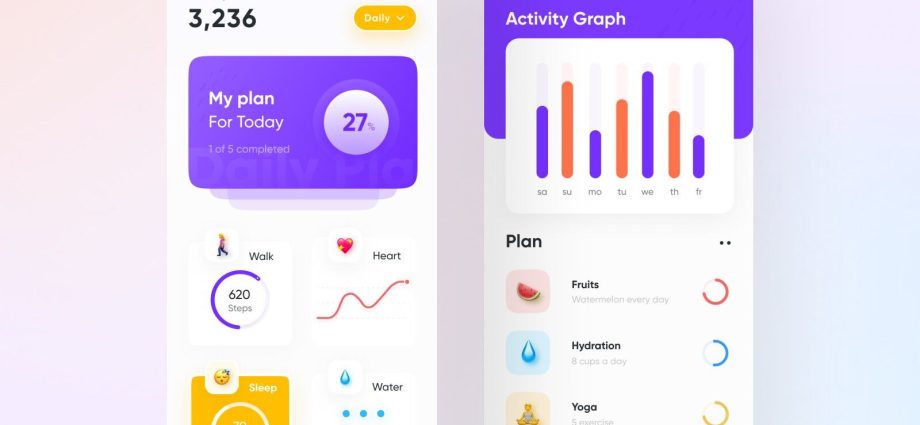
- Real-Time Monitoring & Feedback: By connecting to devices like glucose meters or blood pressure cuffs—or even using smartphone sensors—the app collects health data. It then analyzes it and provides immediate, actionable insights. A gentle nudge to take a walk after a high reading, for instance.
- Behavioral Modification: This is the secret sauce. Using techniques from behavioral psychology, these apps help you build new, healthier habits. They might use motivational messaging, reward systems, or structured challenges to keep you on track.
- Clinician Connectivity: Crucially, many prescription apps include a portal for your healthcare provider. They can see your anonymized trends, identify red flags, and adjust your care plan remotely. It turns episodic care into continuous care.
The Real-World Impact: Conditions in the Crosshairs
So where is this making waves right now? The evidence is growing fastest in a few key chronic disease areas. The potential, honestly, is staggering.
| Chronic Condition | Example of DTx Intervention | Potential Benefit |
| Type 2 Diabetes | Apps providing personalized nutrition coaching, medication reminders, and glucose trend analysis. | Improved HbA1c levels, reduced hypoglycemic events, better medication adherence. |
| Hypertension | Programs that guide lifestyle changes, stress management, and connect with home BP monitors. | Lower average blood pressure, decreased reliance on medication escalations. |
| Mental Health (e.g., Depression, Anxiety) | Structured CBT programs delivered via app for symptom management. | Reduction in symptom severity, accessible support between therapy sessions. |
| Chronic Respiratory Disease (COPD, Asthma) | Apps for inhaler technique training, symptom tracking, and early exacerbation detection. | Fewer hospital admissions, better daily symptom control. |
The trend is clear: we’re moving from managing crises to preventing them. For someone with asthma, an app that spots a subtle pattern in your cough or peak flow readings can alert you to act before a full-blown attack. That’s transformative.
Navigating the New Landscape: Challenges and Considerations
It’s not all smooth sailing, of course. This is a new frontier. And with any new frontier, there are bumps in the road.
First, access and equity are huge questions. Not everyone has a latest-generation smartphone or reliable broadband. If DTx becomes standard of care, how do we avoid widening health disparities? Then there’s the reimbursement maze. Getting insurers to consistently pay for “software as medicine” is an ongoing battle, though progress is being made.
Data privacy is another big one. You’re sharing incredibly sensitive health information. Reputable DTx companies are bound by laws like HIPAA, but it pays—you know—to be vigilant. Always check the privacy policy.
And perhaps the most human challenge: engagement. An app is only effective if people use it. The best DTx are designed to be as engaging and intuitive as your favorite social media app, but for your health. That’s a high bar.
The Patient-Provider Relationship: A Shift, Not a Replacement
Some folks worry this tech will depersonalize care. I see it differently. Think of it like this: it automates the repetitive, data-heavy tasks (tracking, reminders, basic education). That frees up precious, limited time during your doctor’s visit for what truly requires a human touch—the complex discussions, the nuanced decisions, the empathy.
Your doctor becomes more of a quarterback, using rich data from your app to make better strategic calls. The relationship evolves. It becomes more collaborative.
Looking Ahead: The Integrated Future of Chronic Care
So where does this lead us? The trajectory points toward seamless integration. We’re talking about DTx platforms that don’t live in isolation but plug directly into your electronic health record (EHR). Your cardiologist could prescribe a hypertension management app with a few clicks, and the data flows back into your chart for review.
The future is also predictive. With advances in AI, these tools won’t just report yesterday’s data—they’ll forecast tomorrow’s risks. A gentle alert: “Based on your recent stress levels and sleep patterns, you’re at higher risk for a migraine in the next 48 hours. Consider your prevention strategies.”
That’s the real shift. From reactive to proactive. From generalized to hyper-personalized. From feeling like you’re managing your illness in the dark, to having a guided, evidence-based path forward—right in your pocket.
The pill bottle isn’t going away. But now, it might just have a powerful digital partner.