







Let’s be honest—water is everywhere in beauty. It’s the first ingredient in almost every bottle, jar, and tube you own. But here’s the thing: waterless beauty products are flipping that script. They’re stripping away the filler (literally) and leaving behind pure, concentrated goodness. Sounds intriguing, right? Well, it’s not just a trend—it’s a shift. Let’s dive into why going waterless might be the smartest move for your skin, your wallet, and the planet.
What Exactly Are Waterless Beauty Products?
Honestly, the name says it all. Waterless beauty products—also called anhydrous formulas—contain little to no water. Instead of relying on H2O as a base, they use oils, butters, waxes, or powders. Think solid shampoos, cleansing balms, powder serums, and oil-based moisturizers. No water means no preservatives needed to keep it from spoiling. And that? That changes everything.
I mean, sure, water is cheap and makes products feel light. But it also dilutes the active ingredients. When you remove water, you’re left with a concentrate. A little goes a long way. It’s like the difference between a glass of lemonade and a lemon-flavored soda—one’s diluted, the other’s punchy.
Wait—Does “Waterless” Mean Completely Dry?
Not always. Some waterless products are oil-based or balmy. Others are powders that activate with water on your skin. The key is that water isn’t an ingredient—it’s not added during manufacturing. So you might still use it, but the product itself stays concentrated. That’s the beauty of it.
The Big Benefits: Why Go Waterless?
You might be thinking, “Okay, but why should I care?” Well, there are some pretty compelling reasons. Let’s break them down—no fluff, just facts.
1. More Potent Formulas (Better Results)
When water is the first ingredient, it often takes up 70–80% of the product. That leaves only a small sliver for active ingredients. Waterless products flip that ratio. You get higher concentrations of things like vitamin C, hyaluronic acid, or retinol. Your skin gets more of the good stuff, less of the filler. It’s like upgrading from instant coffee to a fresh espresso shot—stronger, faster, and way more effective.
For example, a waterless vitamin C powder can stay stable for months. A water-based serum? It oxidizes and turns brown in weeks. That’s a win for your skincare routine and your patience.
2. Fewer Preservatives, Cleaner Ingredients
Water is a breeding ground for bacteria and mold. So, brands have to add preservatives—parabens, phenoxyethanol, or other chemicals—to keep it safe. Without water, you don’t need those. The product stays fresh naturally. This is huge for anyone with sensitive skin or a clean beauty obsession. You get a simpler, purer formula. Less junk, more joy.
3. Eco-Friendly and Sustainable
Here’s a stat that might surprise you: the beauty industry uses billions of gallons of water every year—both in products and manufacturing. Waterless products slash that footprint. Plus, they often come in smaller, lighter packaging. No heavy water means less plastic, less shipping weight, and lower carbon emissions. It’s a triple win for Mother Earth.
And let’s not forget—many waterless products are solid or powder. That means no leaks, no spills, and they’re travel-friendly. TSA won’t bat an eye at a shampoo bar. Honestly, it’s a game-changer for frequent flyers.
4. Cost-Effective in the Long Run
Sure, the upfront price might be higher. But think about it—you’re paying for concentrated ingredients, not water. A waterless cleanser bar can last 2–3 months. A liquid cleanser? Maybe a month. So per use, you’re actually saving money. It’s like buying a bag of whole beans vs. a can of pre-ground coffee—you get more bang for your buck.
Common Types of Waterless Beauty Products
Okay, so what does this look like in practice? Here’s a quick rundown of popular waterless formats you might already see on shelves.
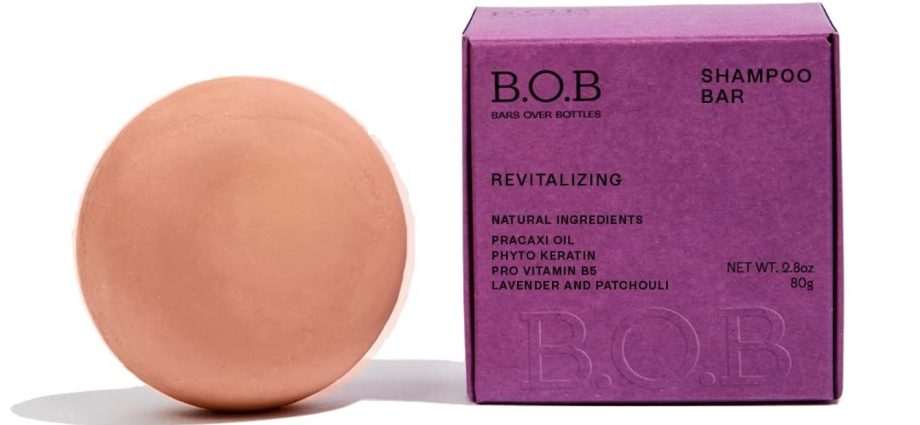
- Solid Shampoo and Conditioner Bars – These are the OGs of waterless beauty. Lather up, rinse, and they last forever. Great for hair and the environment.
- Powder Serums and Face Masks – Mix a few drops of water or toner with a powder serum, and you get a fresh, active concoction every time. No oxidation, no waste.
- Oil-Based Cleansers and Moisturizers – Pure oils like jojoba, rosehip, or squalane. No water, no preservatives, just skin-loving lipids.
- Balms and Butters – Think solid lip balms, body butters, or cleansing balms. They melt on contact and feel luxurious.
- Deodorant Pastes and Sticks – Many natural deodorants are waterless, using baking soda, coconut oil, and essential oils. Effective and simple.
Waterless vs. Traditional: A Quick Comparison
Let’s put it side by side. This table should make the differences crystal clear.
| Feature | Traditional (Water-Based) | Waterless |
|---|---|---|
| First Ingredient | Water (Aqua) | Oil, butter, powder |
| Active Ingredient % | 10–30% | 70–100% |
| Preservatives Needed? | Yes | Rarely |
| Shelf Life | 6–12 months (after opening) | 12–24 months (often longer) |
| Packaging | Bottles, pumps, jars | Bars, sticks, sachets, tins |
| Travel-Friendly? | Bulky, leak risk | Compact, no leaks |
| Environmental Impact | Higher water & plastic use | Lower water & plastic use |
See the pattern? Waterless is leaner, meaner, and greener. But it’s not perfect for everyone—more on that in a sec.
Potential Downsides (Because Nothing’s Perfect)
Alright, I’ll be real with you. Waterless beauty isn’t a magic bullet. Some people find oil-based products too heavy for oily or acne-prone skin. And powder formulas can be messy—especially if you’re clumsy like me. Also, the texture can feel weird at first. A solid shampoo bar? It takes getting used to.
But here’s the thing—you can adapt. Start with one product, like a cleansing balm or a powder serum. Give it a week. Your skin might surprise you. And honestly, the benefits often outweigh the learning curve.
How to Start Your Waterless Beauty Routine
Thinking of making the switch? Here’s a simple roadmap—no pressure, just options.
- Swap your cleanser first. Try an oil-based cleanser or a cleansing balm. It removes makeup and sunscreen without stripping your skin.
- Add a powder serum. Mix it with a few drops of toner or water in your palm. You control the consistency.
- Replace your shampoo. A solid shampoo bar is a low-risk start. Look for one with natural oils for moisture.
- Try a waterless moisturizer. A face oil or butter can simplify your routine. Just a few drops.
- Go for multi-use products. Some balms work as lip balm, cuticle cream, and even a highlighter. Less clutter, more function.
That’s it. You don’t have to overhaul everything overnight. Even one swap makes a difference—for your skin and the planet.
The Bigger Picture: Why This Trend Is Here to Stay
Water scarcity is a growing concern. And consumers are waking up to the fact that our beauty habits have a real-world impact. Waterless beauty isn’t just a marketing gimmick—it’s a response to a genuine need. Brands like Ethique, Lush, and BYBI have been pioneering this space. Even big names are launching waterless lines.
But beyond the eco-angle, there’s something deeply satisfying about using a product that’s pure and potent. You feel it in the texture, the scent, the way a single drop covers your face. It’s minimalist luxury. And honestly, it makes you rethink what “beauty” even means—maybe it’s not about more products, but better ones.
Final Thoughts (No Sales Pitch, Just Truth)
Waterless beauty products aren’t for everyone—and that’s okay. But if you’re tired of watered-down formulas, messy bottles, and questionable preservatives, they’re worth a shot. They’re a reminder that sometimes, less really is more. Less water, less waste, less clutter. More potency, more intention, more results.
So next time you’re staring at a shelf full of serums and creams, ask yourself: “Do I really need all this water?” The answer might surprise you.