









Let’s be real for a second. Gen Z is running on fumes. Between doomscrolling, climate anxiety, and the pressure to have a side hustle by age 20, stress isn’t just a visitor — it’s a permanent roommate. And honestly, the usual fixes (meditation apps, bubble baths, “just breathe”) don’t always cut it when your nervous system feels like a live wire. That’s where adaptogens come in. These aren’t your grandma’s herbs — well, actually, some of them are. But the way Gen Z is integrating them? Totally new. Let’s break down how adaptogens are becoming the go-to toolkit for building real stress resilience.
What Are Adaptogens, Actually?
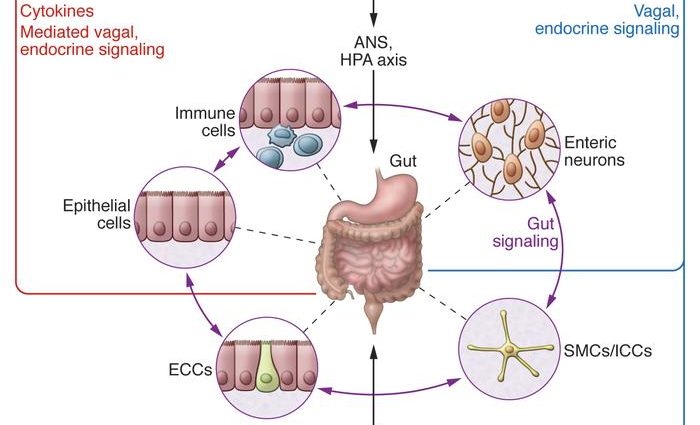
You’ve heard the word thrown around on TikTok or in some wellness influencer’s caption. But here’s the deal: adaptogens are a class of herbs and mushrooms that help your body handle stress — physically, mentally, emotionally. They don’t mask symptoms. They work by modulating your hypothalamic-pituitary-adrenal (HPA) axis. Fancy term, I know. Basically, they help your stress response system chill out without sedating you.
Think of adaptogens like a thermostat. When your stress levels spike (heat), they cool things down. When you’re dragging (cold), they gently warm you up. They aim for balance — not a numbing out. That’s the key difference from, say, caffeine or alcohol.
The Big Players Gen Z Is Using
Sure, there are dozens of adaptogens. But a few have really caught fire with this generation. Here’s the shortlist:
- Ashwagandha — The OG. Reduces cortisol, improves sleep, and helps with that “I’m about to snap” feeling. Gen Z loves it in gummies or powders.
- Rhodiola Rosea — For burnout. When you’re tired but wired, this one helps you focus without the jitters.
- Lion’s Mane — A mushroom that’s not just for coffee. It boosts cognitive clarity and nerve growth factor. Great for study sessions.
- Reishi — The calming mushroom. It’s like a weighted blanket for your immune system and mind.
- Holy Basil (Tulsi) — An everyday herb that supports adrenal health. Often brewed as tea.
Each one has a slightly different vibe. Some people stack them — like ashwagandha in the morning and reishi at night. But you gotta experiment. Your body chemistry is unique.
Why Gen Z Is Hooked on Adaptogens
It’s not just a trend. Well, okay, it’s partially a trend — but there’s a real need underneath. Gen Z is statistically more stressed than previous generations. A 2023 American Psychological Association survey found that 91% of Gen Z adults reported physical or emotional symptoms due to stress. That’s huge.
But here’s the thing: this generation is also really proactive about mental health. They’re not just popping pills handed down by a doctor. They research. They ask questions. They want natural tools that fit into their chaotic lives. Adaptogens are perfect for that — they’re portable, easy to dose, and feel like a small act of self-care in a messy day.
I’ve heard people say adaptogens are “plant-based armor.” That’s a bit dramatic, but it captures the vibe. You’re not fixing your life overnight. You’re just giving your nervous system a little backup.
Integration Over Medication? Not Quite.
Let’s not pretend adaptogens replace therapy or medication. They don’t. But they can be a complement. Gen Z is all about holistic stacks — combining therapy, exercise, sleep hygiene, and adaptogens into a personalized resilience plan. It’s less about a magic bullet and more about layering support.
One friend of mine — 24, works in tech — swears by a morning smoothie with ashwagandha powder and a splash of oat milk. She says it helps her not “react” to every Slack notification. Another uses a lion’s mane tincture before coding sessions. It’s not a cure-all, but it shifts the baseline.
How to Start Integrating Adaptogens (Without Overthinking It)
Okay, so you’re sold on the idea. But where do you start? Honestly, the adaptogen market is overwhelming. Powders, capsules, teas, gummies, even sparkling waters. It’s easy to fall into analysis paralysis. Here’s a simple framework:
- Pick one adaptogen. Don’t mix five at once. Start with ashwagandha or rhodiola. Give it two weeks.
- Choose a form you’ll actually use. If you hate tea, don’t buy tea. Gummies are easy. Powders are versatile.
- Pay attention to dosage. Most adaptogens work best at 200-500mg per day. Check labels. Start low.
- Track your mood. Use a notes app or journal. Notice changes in sleep, irritability, or energy.
- Cycle them. Some adaptogens (like ashwagandha) work best with breaks — 5 days on, 2 days off. This prevents tolerance.
It’s not rocket science. But it does require a little patience. Adaptogens aren’t stimulants. You won’t feel a “rush.” The effects are subtle and cumulative — like a slow tide lifting your baseline.
Common Pitfalls (And How to Avoid Them)
Let’s be honest — not every adaptogen experience is magical. Some people report feeling nothing. Others get mild digestive upset. And a few — especially with high doses of ashwagandha — feel a bit sedated or “flat.” That’s normal. Here’s what usually goes wrong:
- Expecting instant results. Adaptogens work over weeks, not minutes.
- Buying cheap blends. Some products have filler ingredients or low potency. Look for third-party tested brands.
- Ignoring your sleep and diet. Adaptogens can’t outrun a bad lifestyle. They’re support, not a substitute.
- Mixing too many at once. You won’t know what’s working if you toss everything in a smoothie.
Also — and this is important — talk to your doctor if you’re on medication, especially for thyroid or blood pressure. Adaptogens are natural, but they’re still bioactive. They interact.
A Quick Comparison: Adaptogen Forms
Here’s a table to help you decide which delivery method fits your lifestyle:
| Form | Best For | Onset | Convenience |
|---|---|---|---|
| Powder | Smoothies, coffee, oatmeal | Slow (digestion) | Moderate |
| Capsules | Consistent dosing | Slow | High |
| Tinctures | Quick sublingual absorption | Fast (15-20 min) | High |
| Gummies | Portable, tasty | Slow | Very high |
| Teas | Ritual, relaxation | Slow | Low |
I personally lean toward tinctures for quick effects and powders for daily stacking. But you do you.
The Social Side: Adaptogens and Gen Z Culture
There’s something interesting happening here. Adaptogens aren’t just consumed — they’re shared. On social media, you’ll see “stress stacks” posted like skincare routines. People trade recommendations for mushroom blends and talk about their cortisol levels like they’re discussing the weather. It’s a bit performative, sure. But it also normalizes talking about stress and mental health.
And honestly? That’s a win. A generation that openly discusses nervous system regulation and adaptogen integration is a generation that’s less likely to suffer in silence. The ritual of making a tulsi tea or stirring ashwagandha into your latte becomes a tiny anchor — a moment of intention in a chaotic day.
But Is It All Hype?
Some critics say adaptogens are overhyped. And sure, some brands are cashing in on the trend with weak products. But the science is real — there are dozens of peer-reviewed studies on ashwagandha’s cortisol-lowering effects, rhodiola’s anti-fatigue properties, and lion’s mane’s neuroprotective benefits. The hype is partly deserved. The key is separating quality from marketing fluff.
Gen Z is actually pretty good at this. They read labels, check third-party testing (like USP or NSF), and dig into Reddit threads before buying. They’re skeptical consumers — which is smart when your wellness budget is tight.
Final Thoughts on Building Stress Resilience
Adaptogen integration isn’t a quick fix. It’s a slow, deliberate practice — like learning to surf instead of fighting the waves. Gen Z gets that. They’re not looking for a miracle. They’re looking for tools that help them stay steady when everything feels shaky. And honestly, adaptogens are just one tool in a bigger toolbox. Sleep, movement, connection, boundaries — those matter just as much.
But if you can find a small ritual — a mushroom latte in the morning, a reishi tincture before bed — that grounds you just a little? That’s resilience in action. Not perfect. Not permanent. Just a bit more steady.
And that’s enough.