








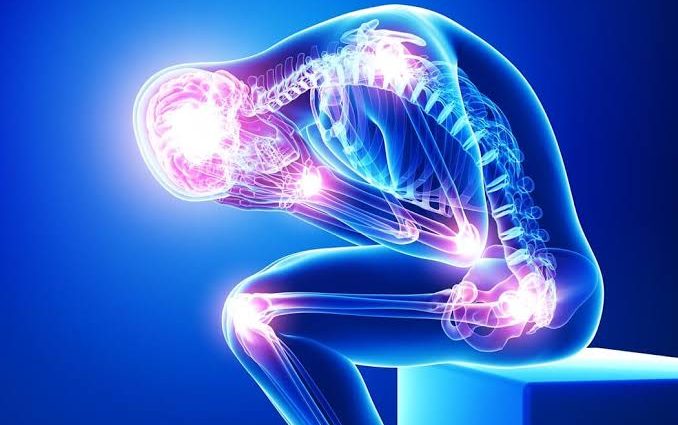
There’s a particular kind of frustration that comes with being told to “keep active” when your body is fighting you from the inside. For the roughly 1.5 million women in the UK living with endometriosis, that advice can feel tone-deaf at best. The condition causes tissue similar to the womb lining to grow in places it shouldn’t, and the pain that comes with it isn’t just period pain. It can be constant, debilitating, and completely unpredictable.
Why Generic Fitness Advice Fails Endometriosis Sufferers
Most mainstream fitness guidance is built around a fairly straightforward assumption: rest when you’re injured, train when you’re not. Endometriosis doesn’t work like that. The pain isn’t always linked to something you’ve done. It doesn’t necessarily ease with rest, and it doesn’t follow a predictable weekly schedule that you can programme a training plan around.
High-intensity training during a flare is often a bad idea, as the physical stress of intense exercise can amplify inflammatory responses in the body, which isn’t ideal when inflammation is already part of the problem. Gentle movement, things like swimming, yoga, or low-impact resistance work, tends to be better tolerated. But even that depends entirely on the individual and where they are in their cycle.
The psychological side of this is real too. Repeatedly having to pull back from training, watching progress stall or reverse, dealing with the guilt that somehow you’re “not trying hard enough” even when you’re genuinely in pain. That does a number on you mentally, and it’s something trainers working with clients in this situation need to take seriously rather than glossing over it with motivational chat.
Pain Management Is Part of the Fitness Conversation Now
Something that’s come up more frequently in conversations with clients over the past few years is medical cannabis. It’s still a topic people approach a bit cautiously, partly because of how it’s been framed historically and partly because the UK prescription landscape only really started opening up properly around 2018. But it’s increasingly something worth understanding, especially for conditions where conventional pain management has its limits.
Endometriosis is one of those conditions where the standard options, think hormonal treatments, NSAIDs, and in some cases surgery, don’t always provide sufficient relief. There’s growing interest in whether cannabinoids might help with pain and inflammation specifically, and some patients are now exploring this route through specialist clinics. If you’re looking at what the research and clinical thinking currently says, there’s a detailed piece on medical cannabis and its potential role in managing endometriosis symptoms that’s worth reading if this is something you or someone you train is considering.
It’s not a magic fix, and nobody reputable is claiming it is. But for some patients, better pain management means they can actually function, sleep properly, and yes, engage with physical activity in a way that’s just not possible when the pain is uncontrolled. That matters for overall health in a fairly direct way.
What Trainers Can Actually Do
If you’re working with a client who has endometriosis, the most useful thing you can do is ditch any expectation of a linear training journey. Flexibility in scheduling, a willingness to completely change the session plan on the day based on how someone feels, and being genuinely informed about the condition rather than vaguely sympathetic. Those things make a real difference.
Track training around their cycle where possible, not just around gym availability or your own calendar. And don’t minimise the bad weeks. A client who turns up on a difficult day just to do fifteen minutes of gentle stretching hasn’t failed. She’s actually done something pretty hard.
Endometriosis affects about one in ten women of reproductive age in the UK, which means the odds are decent that you’re already training someone who’s managing it, whether they’ve told you or not.