









Most people assume that struggling with food is about willpower. That if you just tried harder, stayed more disciplined, you’d stop thinking about eating when you’re not even hungry. But for a lot of people, the problem isn’t discipline at all. It’s the relentless mental chatter about food that runs almost constantly in the background, the kind that makes it genuinely difficult to focus on anything else.
This is what’s increasingly being called “food noise”, and it’s getting a lot of attention lately, partly because some of the newer weight management medications seem to quiet it down dramatically in people who take them. That reaction from patients has made researchers and clinicians pay closer attention to just how loud that internal noise actually gets for some individuals, but for others, food barely registers as a thought between meals – and the difference between those two experiences can be huge.
Why some experience food noise more than others
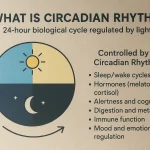
Hormones like ghrelin, that signal hunger, and leptin, which signals the feeling of being full, don’t work exactly the same for everyone. Some people’s brains are more responsive to food queues like the smell of something baking, an advert for a takeaway, even just being bored. Stress hormones like cortisol can also crank up food-focused thinking, which is why a lot of people find themselves raiding the kitchen after a bad day at work even when they had a perfectly decent lunch.
Sleep is another factor that doesn’t get mentioned enough. Consistently poor sleep raises ghrelin levels and lowers leptin, which is basically a hormonal setup for increased food noise. If you’re getting five or six hours a night and wondering why you can’t stop thinking about snacks by mid-afternoon, that’s probably a big part of it. Not everything, but a significant chunk.
Practical approaches that can genuinely make a difference
Eating enough protein is one of the more reliable ways to reduce the mental noise, because protein affects satiety hormones more effectively than carbohydrates or fat do on their own. That doesn’t mean going full high-protein diet (unless you want to), but making sure your meals actually have substance to them rather than grazing on things that don’t keep you full for long. A breakfast with eggs or Greek yoghurt tends to produce a different afternoon than one built around cereal or toast alone. That’s not a rigid rule, just a pattern worth noticing in your own routine.
Blood sugar stability matters too. The common mid-afternoon crash that sends people to the snack cupboard is often just the result of a lunch that spiked blood sugar quickly and then dropped it back down sharply. Slowing down that process with fibre, fat, or protein alongside carbohydrates doesn’t totally eliminate food noise, but it can to reduce the urgency of it – and even small reductions help when you’re trying to get on with your day.
There’s also something to be said for separating hunger from habit. A lot of food noise isn’t genuine hunger – it’s a conditioned response. Three o’clock comes around and your brain expects a snack because it always gets one. Breaking those patterns is uncomfortable initially, but they do loosen over time if you’re consistent about it. Replacing the habit with something else, a short walk, a glass of water, five minutes outside, doesn’t have to be a wellness cliché to actually work.
When it might be worth getting proper support
For some people, food noise is low-level and manageable with lifestyle adjustments. For others, it’s truly disruptive and can affect quality of life. If you’ve tried the usual advice and it hasn’t helped, it’s a good idea to speak to someone who understands the clinical side. Day Lewis Pharmacy has written a useful piece on what food noise actually is and how to silence food noise, which covers both the biological background and the options available, including when medical support might be appropriate.
The main thing is not to treat persistent food noise as a character flaw. It’s a physiological experience that varies between people, and for some it needs more than a better morning routine to address properly. Recognising that is usually the most useful starting point.